Long before the incident report.
Long before the unkind words, the exclusion, the conflict or the behaviour that requires intervention. Hundreds of small moments shape how students treat one another.
Moments where a child learns how to include someone who is sitting alone. Moments where they practise empathy, show courage, manage a big emotion, solve a friendship problem or choose kindness when no one is watching.
While schools need effective systems to respond to bullying, growing evidence shows that prevention is just as important.
Across Australia, schools are being encouraged to take a more proactive approach to bullying prevention. From Term 1, 2027, schools across Australia will be required to have publicly available anti-bullying policies aligned with the National Framework for Addressing Bullying in Australian Schools. Alongside strong reporting and response processes, there is increasing recognition that positive relationships, belonging, emotional wellbeing and school culture play a critical role in reducing bullying before it starts.
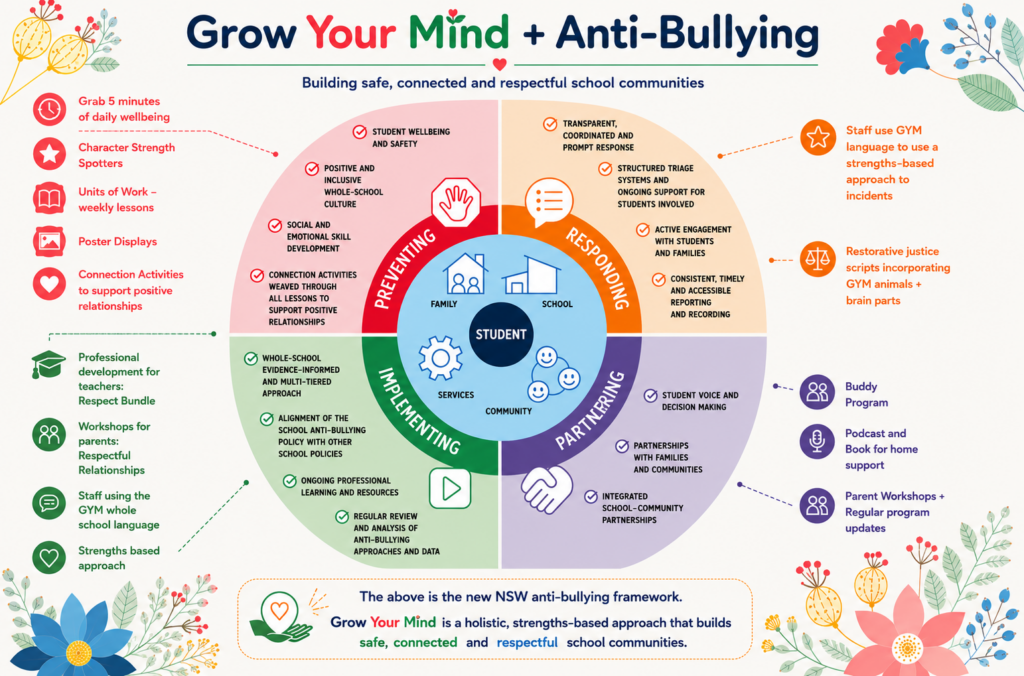
This aligns with what the research has been telling us for years. The most effective anti-bullying strategies help students build empathy, strengthen relationships, develop emotional skills and contribute to communities where everyone feels safe, connected and included.
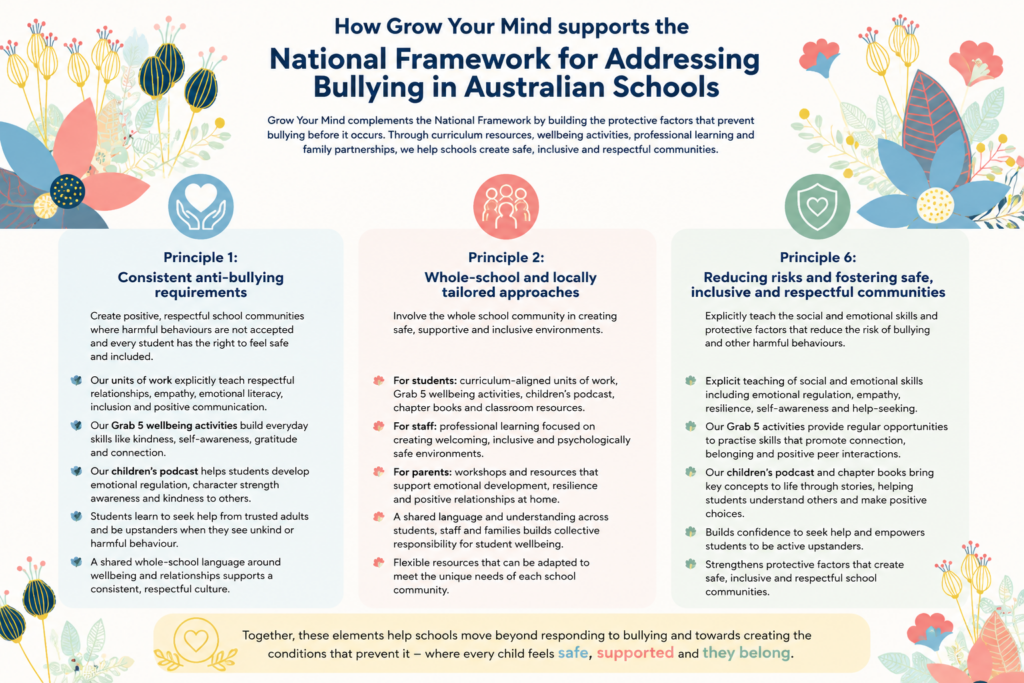
Many anti- bullying approaches focus on what happens after a problem emerges. Increasingly, however, researchers and educators are calling for a system of prevention rather than a system of reaction. Given that bullying behaviour often peaks around 10 years of age, waiting until problems arise may be too late. Prevention starts much earlier by helping children learn how to play cooperatively, navigate friendships, manage emotions, resolve conflicts, and show empathy towards others.
Belonging matters. When children feel connected to their classmates and trusted adults, they are more likely to feel safe, speak up and notice when someone else needs support. When schools intentionally build this sense of connection in everyday ways, through learning about feelings, practising empathy, celebrating strengths and understanding that everyone’s brain and experiences are different. These small, consistent moments help create a positive culture where children feel seen and valued, and where kindness thrives.
This is where Grow Your Mind can help.
Some of the ways Grow Your Mind supports schools in a whole school approach:
🏫 Whole-School Culture
At Grow Your Mind, we believe a positive school culture is one of the strongest protective factors against bullying. Our whole-school approach helps students feel connected, valued and that they belong.
Through daily wellbeing practices, engaging resources and a shared language around mental fitness, we help schools create environments where students can flourish. Not sure where to start? See 10 ways to build a positive culture in your classroom
At the heart of the 10 ways is a call to action for teachers to know their students well.
💪 A Strengths-Based Approach
Students learn to recognise and apply more than 30 character strengths, including kindness, courage, fairness, gratitude, teamwork and tolerance.
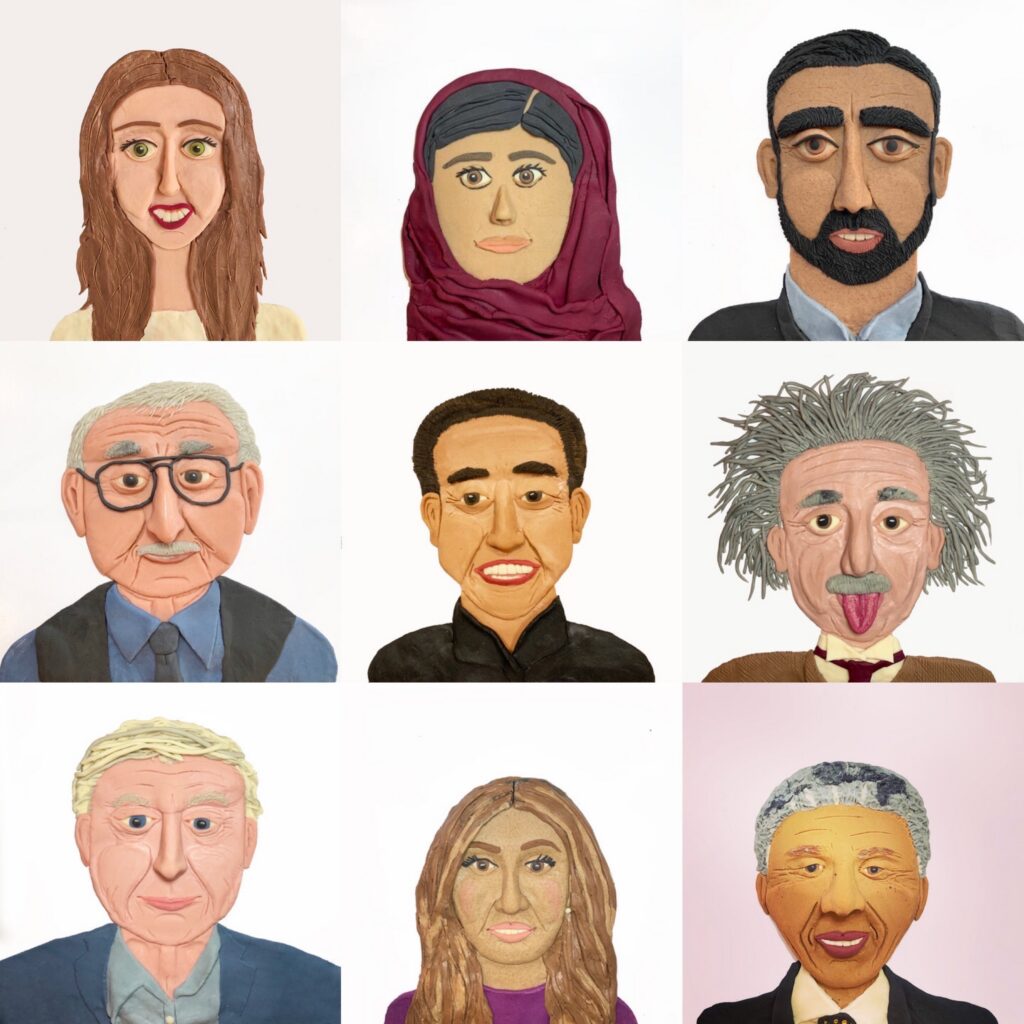
An example of one of the ways we teach character strength education: through stories.
We have over 30 videos spotlighting incredible people and asking students to try to look for evidence of their character strengths. By learning when and how to use these strengths, students are better equipped to make positive choices, build healthy relationships and navigate challenges respectfully. At Grow Your Mind, we know the core skills of kindness, courage and inclusivity can be found in books. We have a recommended reading list for K-6 that links character strengths to characters within the pages of the books.
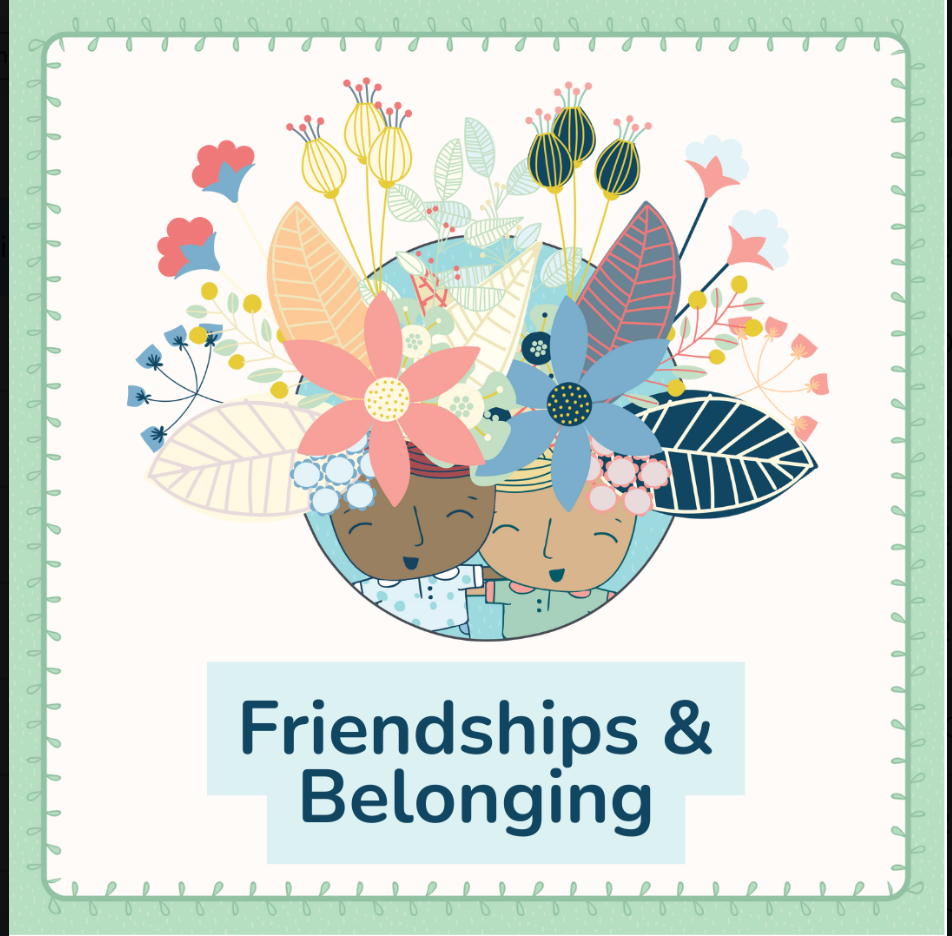
🤝 Friendship and Belonging
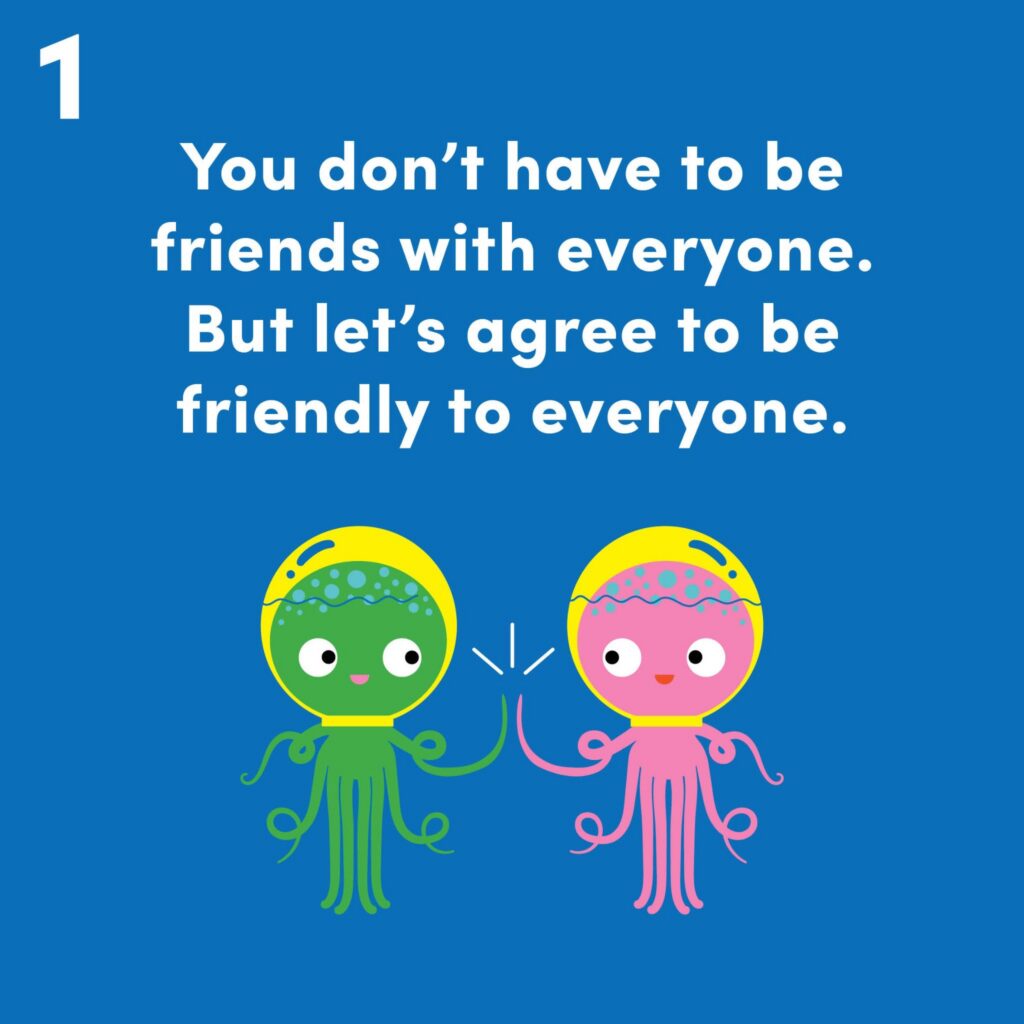
A core wellbeing topic within Grow Your Mind is Friendship and Belonging. Students learn what healthy friendships look like, how to communicate respectfully, how to solve problems, how to seek support, and how to recognise unhealthy relationship patterns. Students also learn 6 core rules for friendship, and rule 1 is crucial to creating a culture of inclusivity and kindness.
🎙️ Positive Bystander Behaviour + Student Voice
We encourage students to practise kindness, inclusion and courage every day, not just when adults are watching.
Research shows that students are more likely to feel connected, included and safe when they have opportunities to contribute to their school community and see that their voices matter.
Student voice also plays an important role in our children’s podcast. Many of the topics explored in Season 6 were inspired directly by ideas and questions submitted by children themselves. This led to a season focused on the very skills that help young people build healthy relationships with themselves and others.
👨👩👧 Partnerships
One of the NSW anti-bullying four pillars is partnerships, highlighting the important role that families, carers and communities play in helping young people develop the skills and values needed to build respectful relationships.
This is why engaging families in conversations about kindness, empathy, courage and inclusion matters. When children receive consistent messages at school and at home, they are more likely to develop the confidence and character strengths that contribute to positive school cultures.
Because respectful relationships are learned both at school and at home, we’ve developed a new parent workshop, How to Foster Respectful Relationships. Together, we explore practical ways to support children and adults to regulate emotions, show kindness, make generous assumptions, set healthy boundaries and practise self-compassion. These everyday conversations help strengthen the connection between home and school, creating the consistency children need to build respectful relationships that last.
This stands alongside a professional development bundle for educators on Growing Respect, which includes 4 self-led courses on staff wellbeing, friendship skills, consent and creating a positive culture.
Extending wellbeing conversations to families
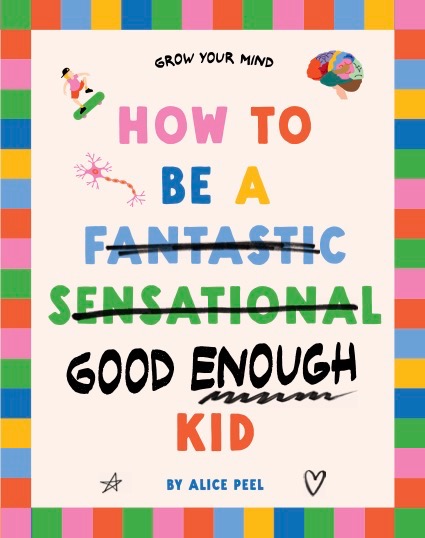
How to Be a Good Enough Kid (our award-winning chapter book) provides a practical way to extend these conversations beyond the classroom. Through relatable stories, humour and evidence-informed insights, it helps children and their families explore the life skills that underpin respectful relationships, positive bystander behaviour and everyday acts of kindness.
Rather than focusing on bullying directly, the book explores the life skills that help young people feel confident in who they are, build healthy relationships and make positive choices when challenges arise.
Two chapters are particularly relevant to bullying prevention and positive school culture.
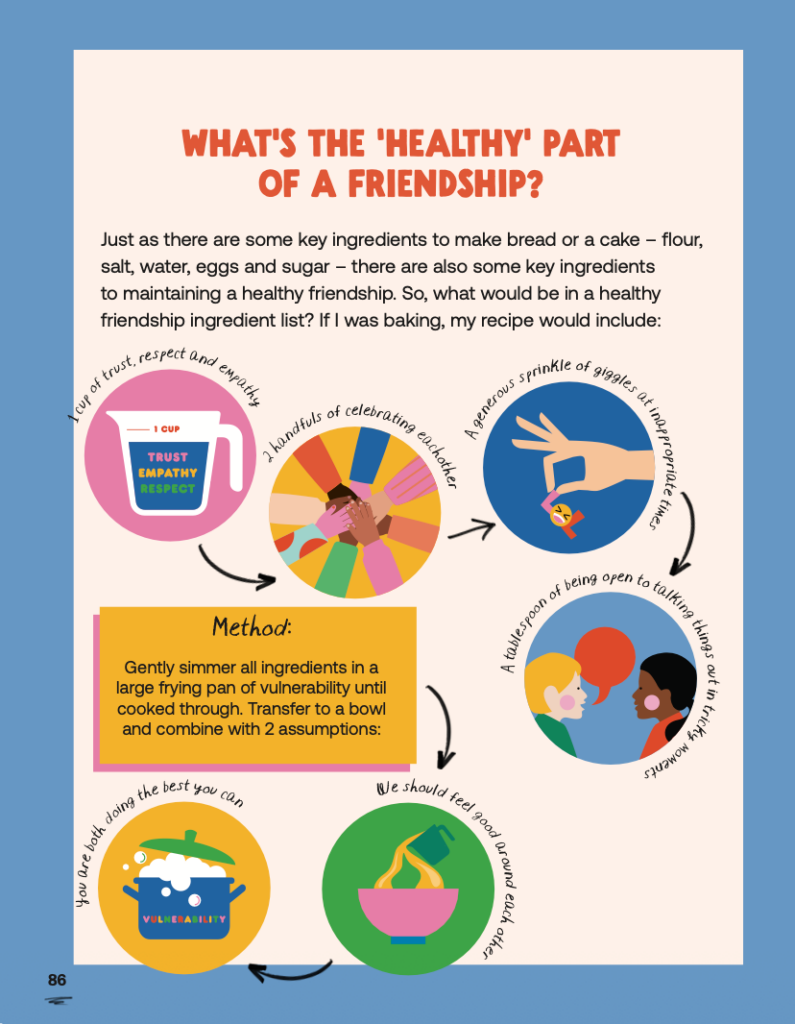
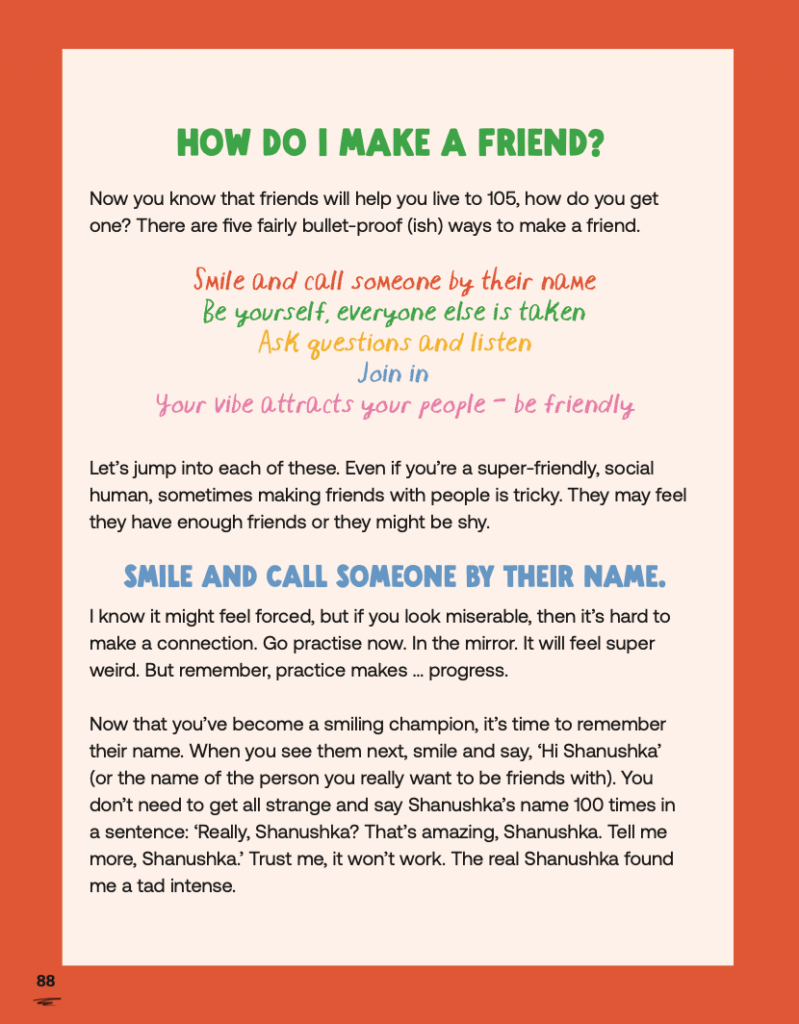
How to Live to 100 explores the ingredients of healthy, respectful relationships. It encourages young people to think about the kinds of friendships they want to build, how to treat others well and what it means to create relationships based on trust, kindness and mutual respect.
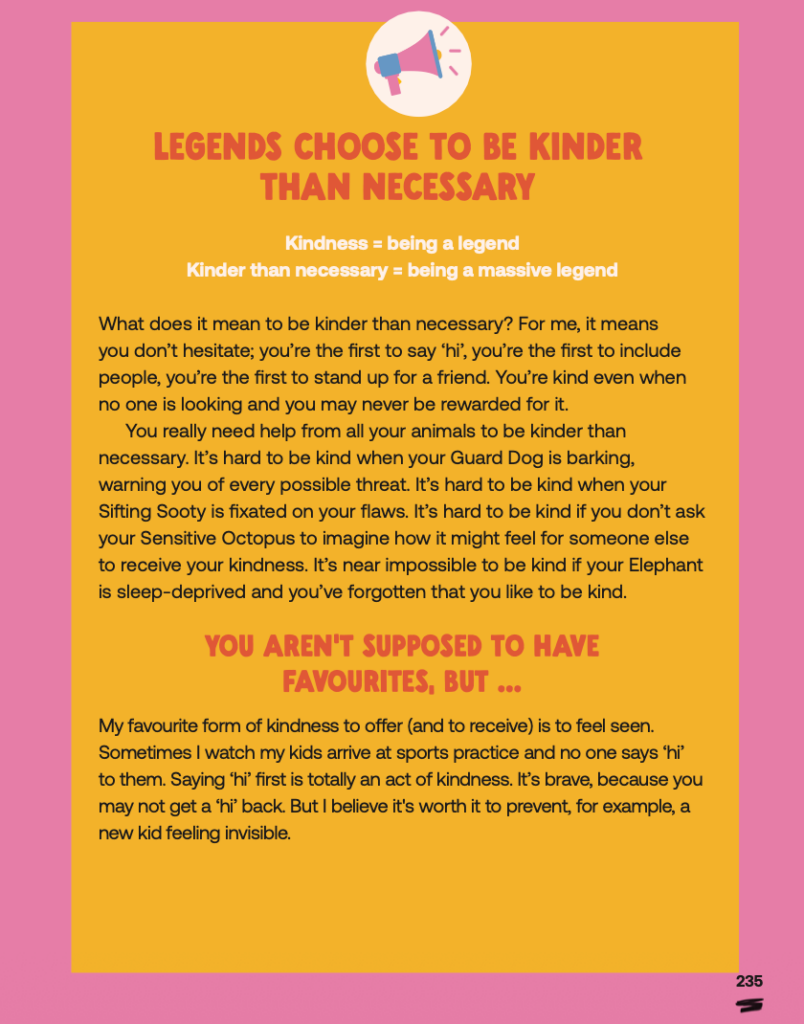
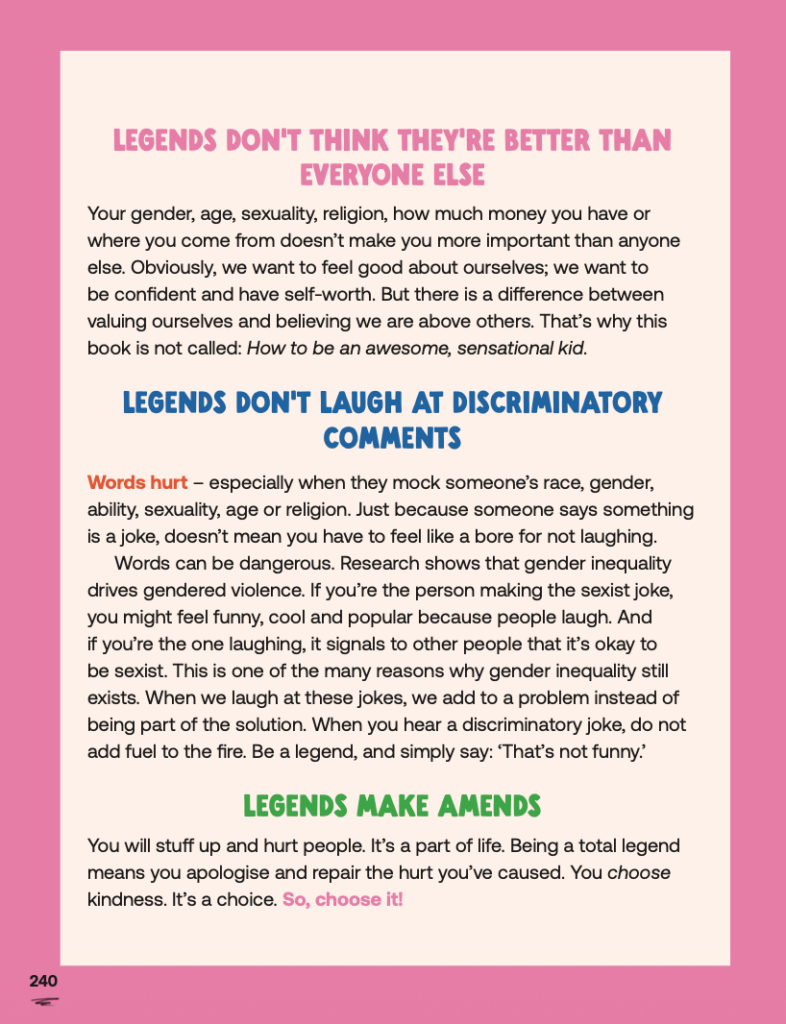
How to Be More of a Legend focuses on making a positive difference in the lives of others. It encourages young people to stand up for what is right, support those who may be feeling left out and choose kindness even when nobody is watching. These are the very qualities that underpin positive bystander behaviour and help create school communities where everyone feels safe, valued and included.
Examples of how the content within the Grow Your Mind School Program complements anti-bullying frameworks across Australia:
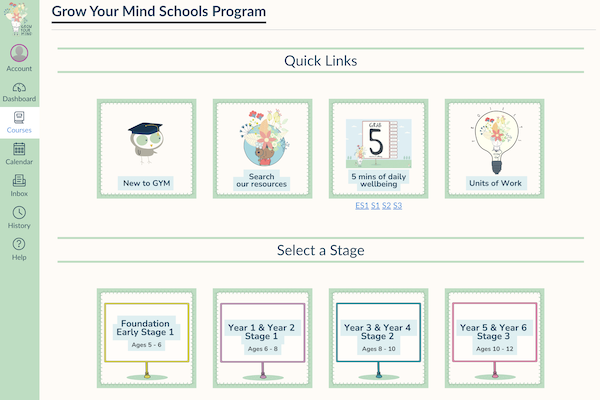
Grow Your Mind Units of Work
Positive relationships don’t happen by chance. They are built through explicit teaching and repeated practice.
Every stage of the Grow Your Mind curriculum includes Units of Work that teach the social and emotional skills known to protect against bullying. Students explicitly learn how to build healthy friendships, regulate emotions, navigate conflict, respect boundaries, include others, seek help, repair relationships and become positive bystanders.
Rather than relying on one-off wellbeing lessons, these skills are revisited across Foundation to Year 6, helping schools build positive, respectful and inclusive cultures every day.
Here are some samples:
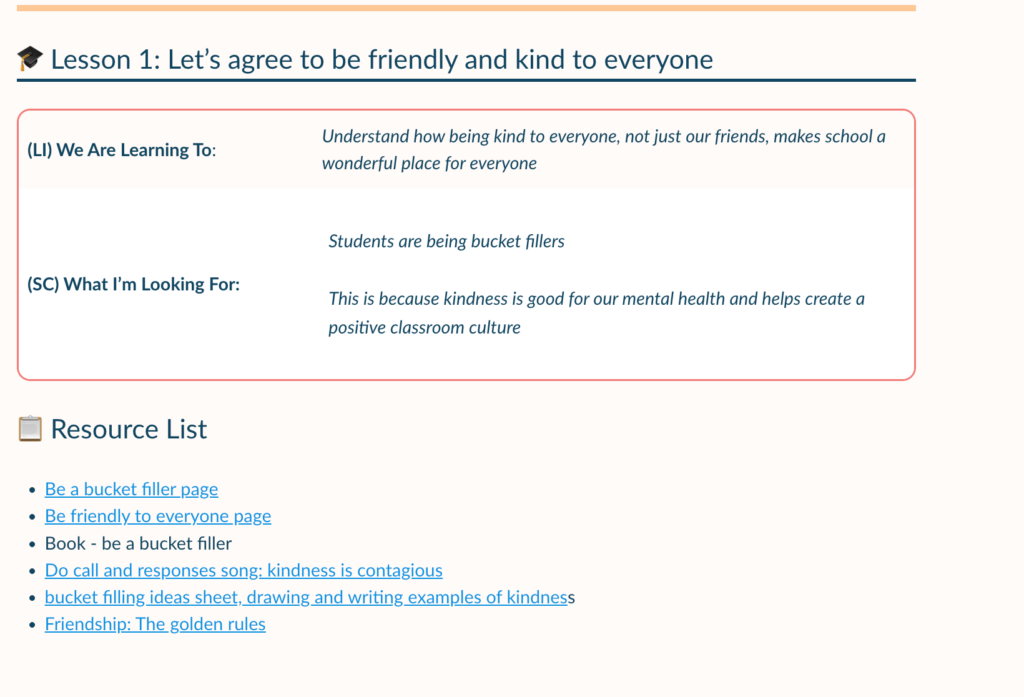
1. Friendship and Belonging units in every stage: e.g. Kindy/Foundation are learning the first golden rule of friendship, which helps create a positive whole-school culture:
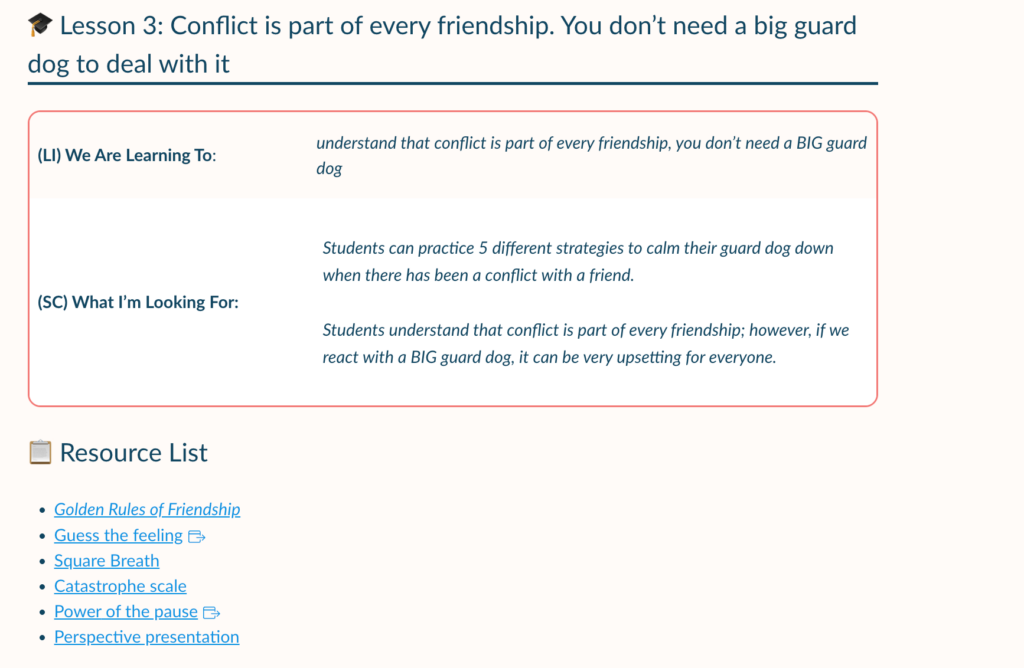
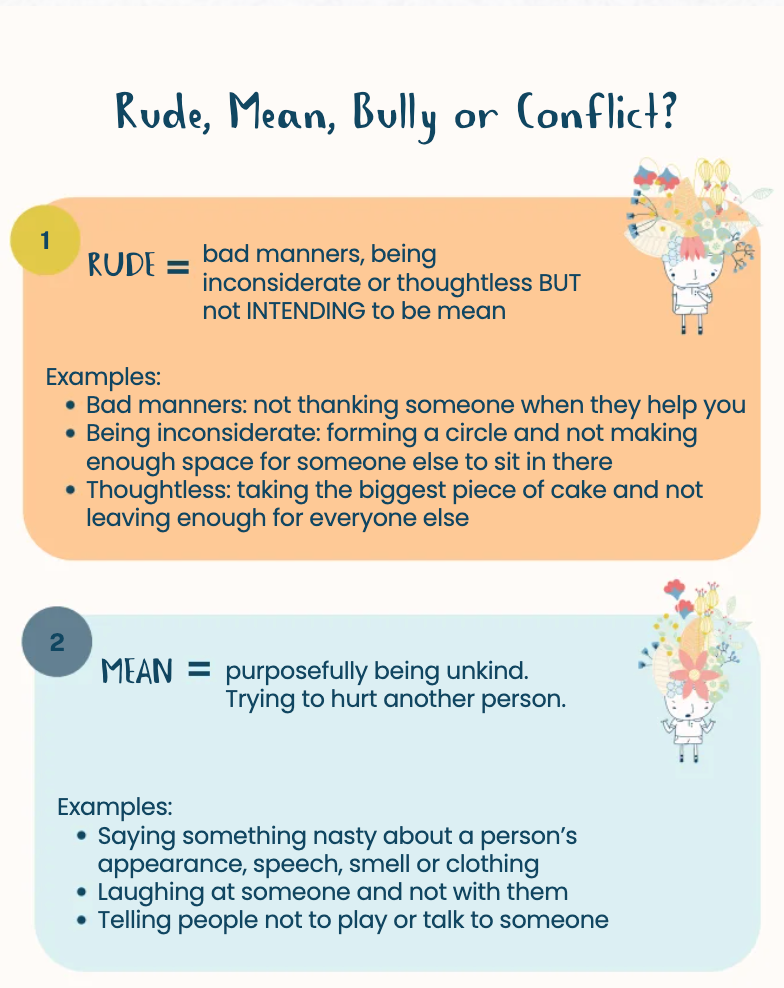
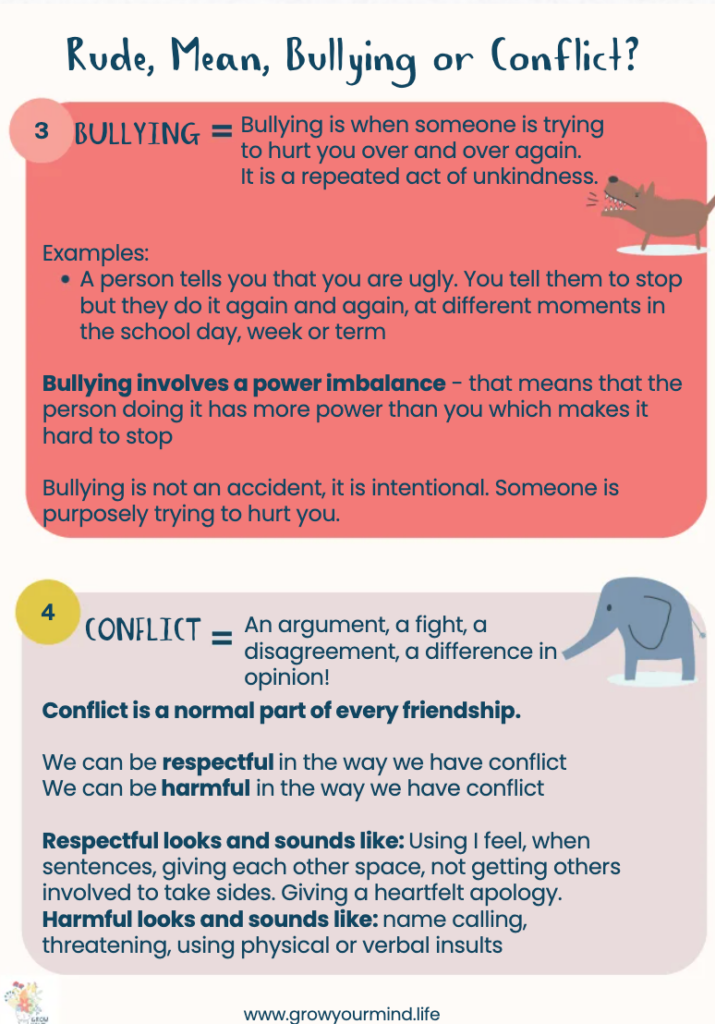
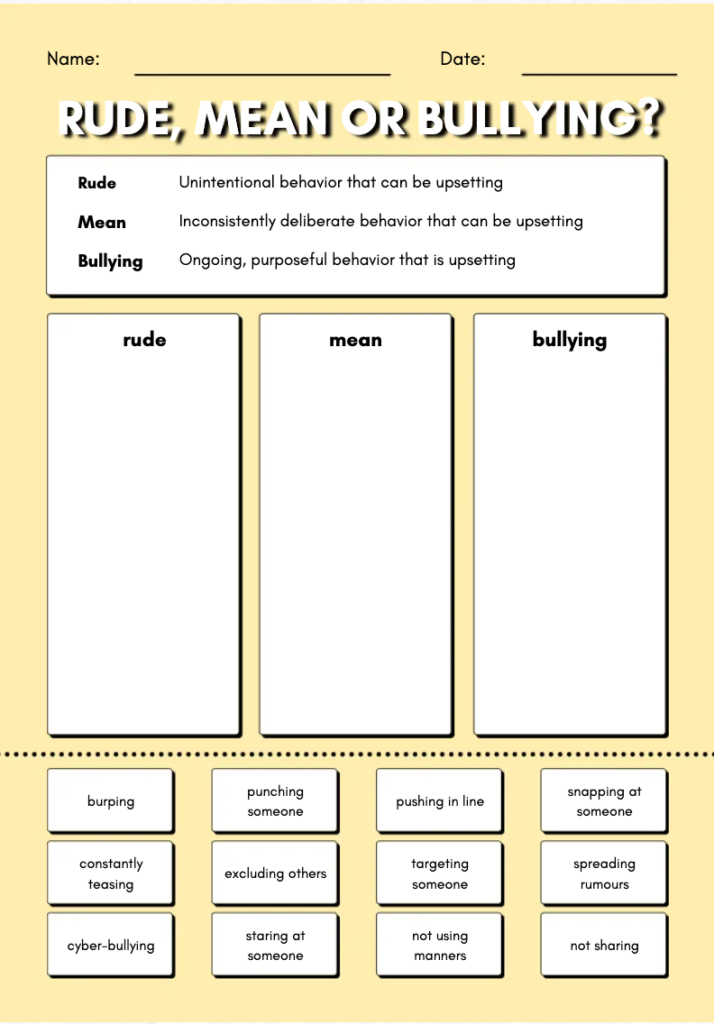
2. In Years 3 to 4, they are looking at conflict, how to manage it without involving others, and the difference between bullying and being mean.
See sample worksheet for Years 3 – 6 – Bullying? Being Mean? Or Being Rude?
3. In Years 5 and 6, the majority of our Units of Work are centred on respectful relationships. e.g Be kind online UOW:
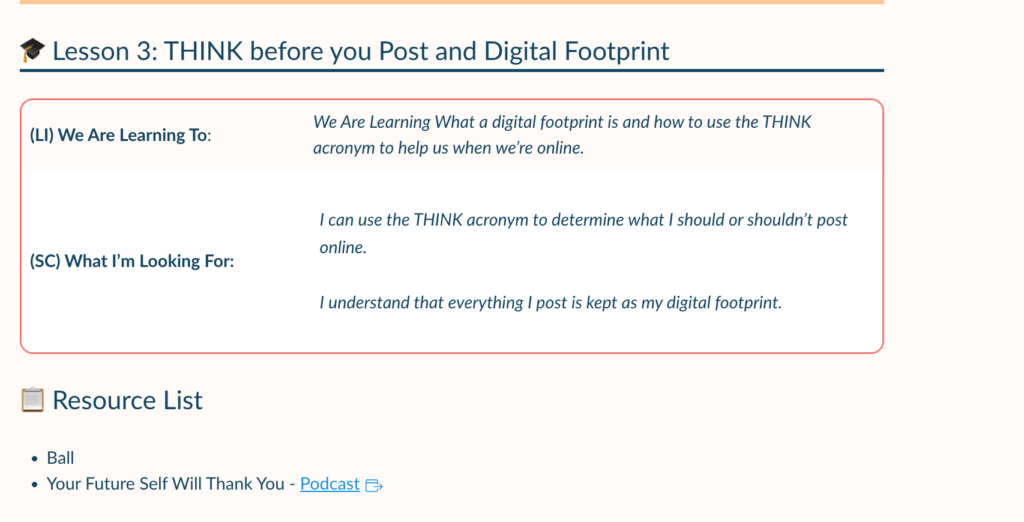
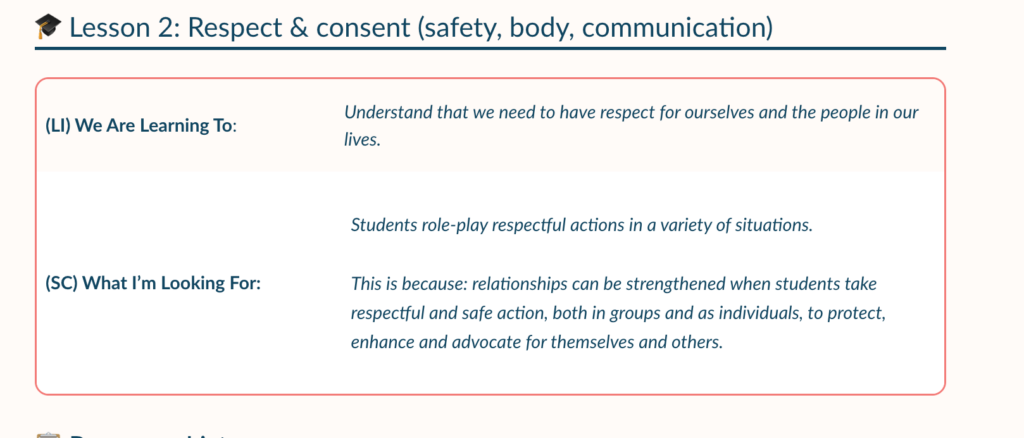
4. In addition, each stage includes an age-appropriate consent unit that explores power dynamics, positive help-seeking, body safety, emotional literacy and respectful relationships. These skills help children understand themselves and others, creating strong foundations for preventing bullying before it begins.
See Year 3-4 consent unit example:
5. Another key example of how our units of work play an essential role in bullying prevention is in our Year 5 -6 unit: Inclusion and Belonging. This unit provides rich opportunities for students to explicitly learn about belonging, inclusion, friendship, identity and respect, while developing the skills to build positive relationships and support others. Through meaningful discussion, reflection and practical strategies, students learn how to contribute to a safe, connected and inclusive school community.
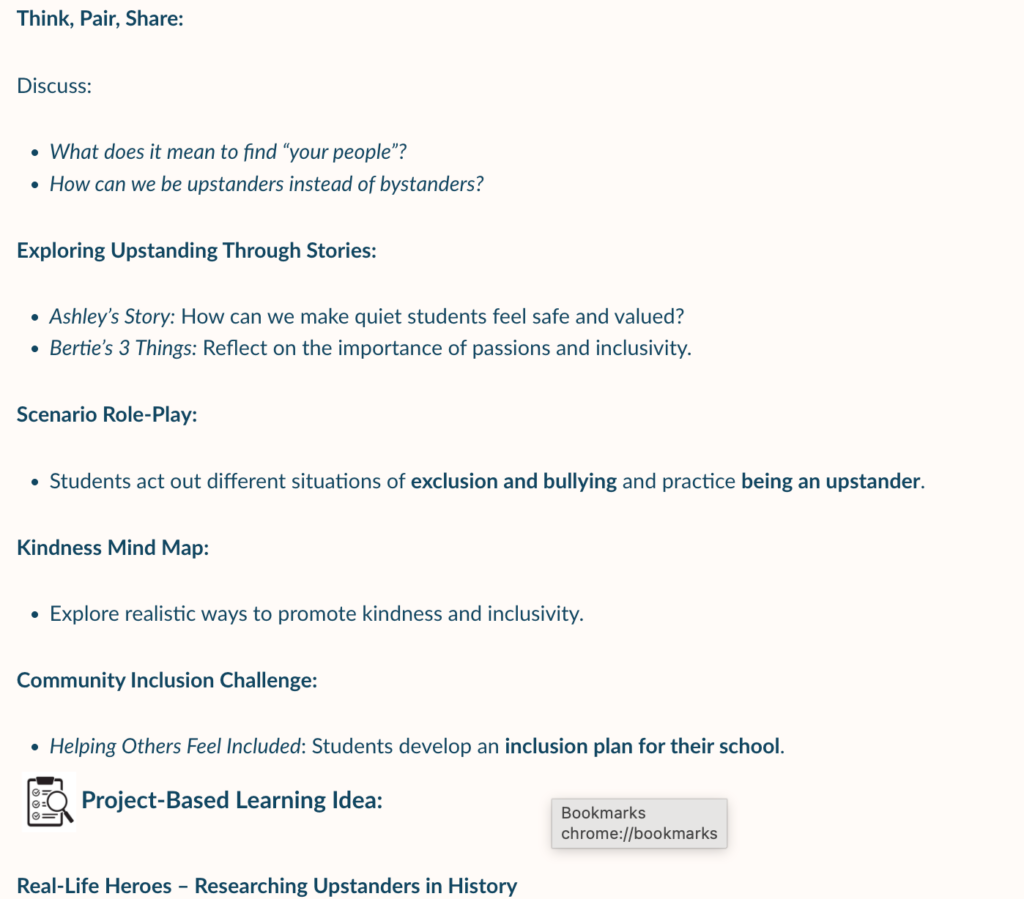
Example lesson from the Inclusion and Belonging Unit.
What about daily habits?
⏱️ Grab 5 Minutes of Wellbeing
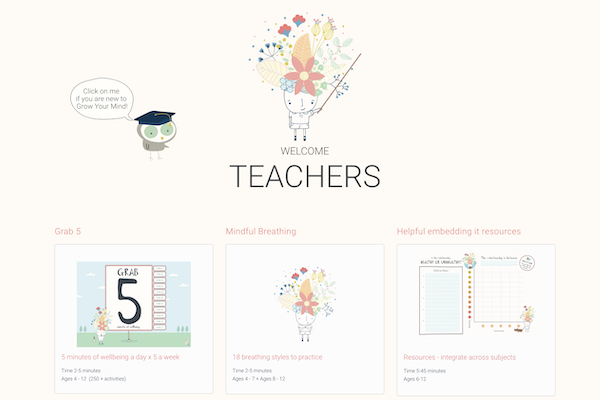
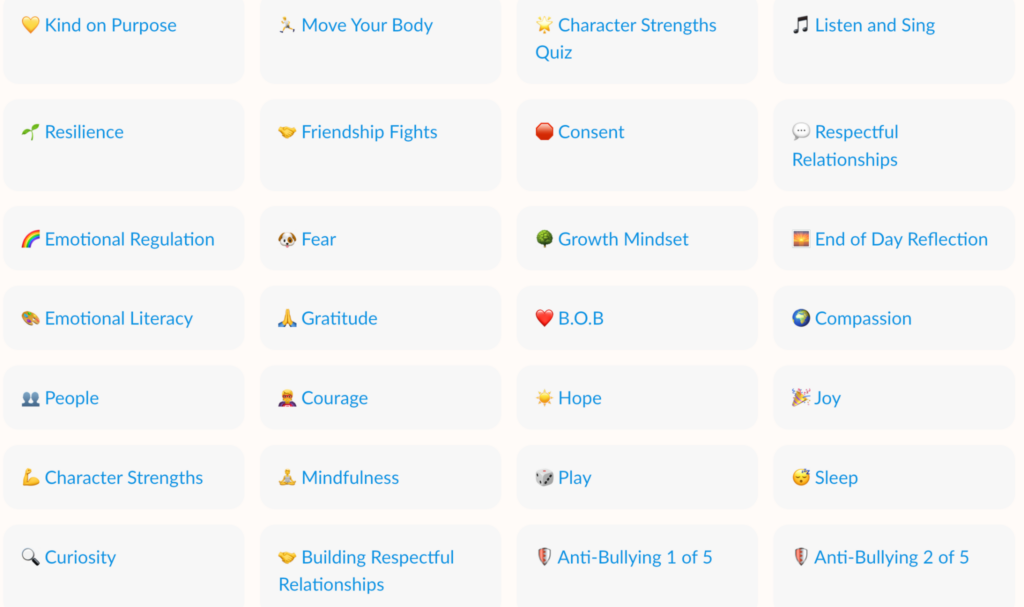
Grow Your Mind includes four terms of Grab 5 Minutes of Wellbeing activities that help teachers weave wellbeing into everyday classroom life. Students practise mindful breathing and calming strategies, engage in movement breaks, participate in positive primers that spark joy and optimism, and use conversation starters that help them connect.
These simple daily experiences help students build self-awareness, emotional regulation, empathy and connection. Over time, they contribute to classrooms where children feel calm, supported and valued, creating the foundations for kindness, inclusion and respectful relationships to flourish.
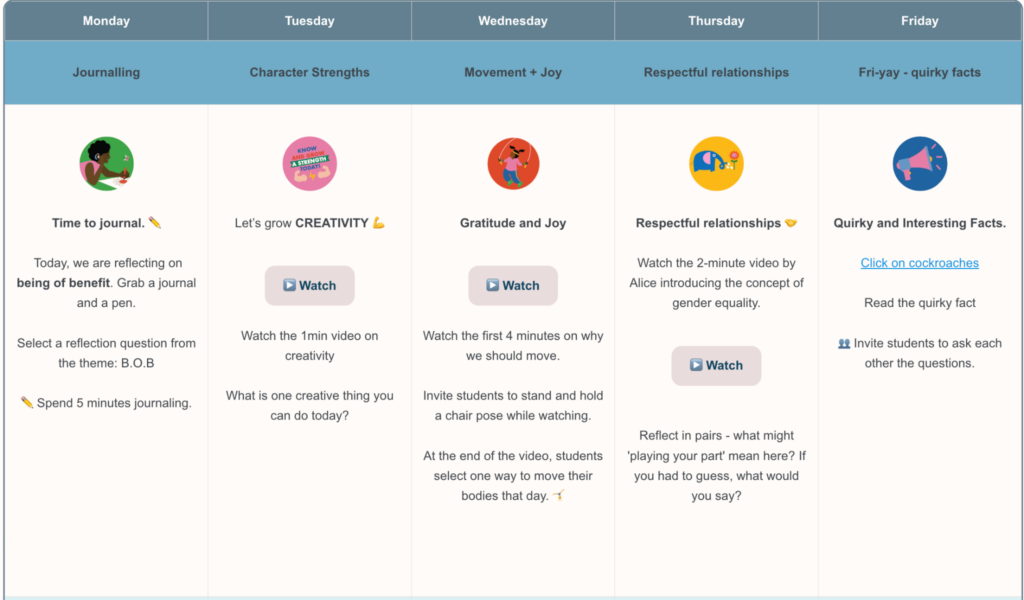
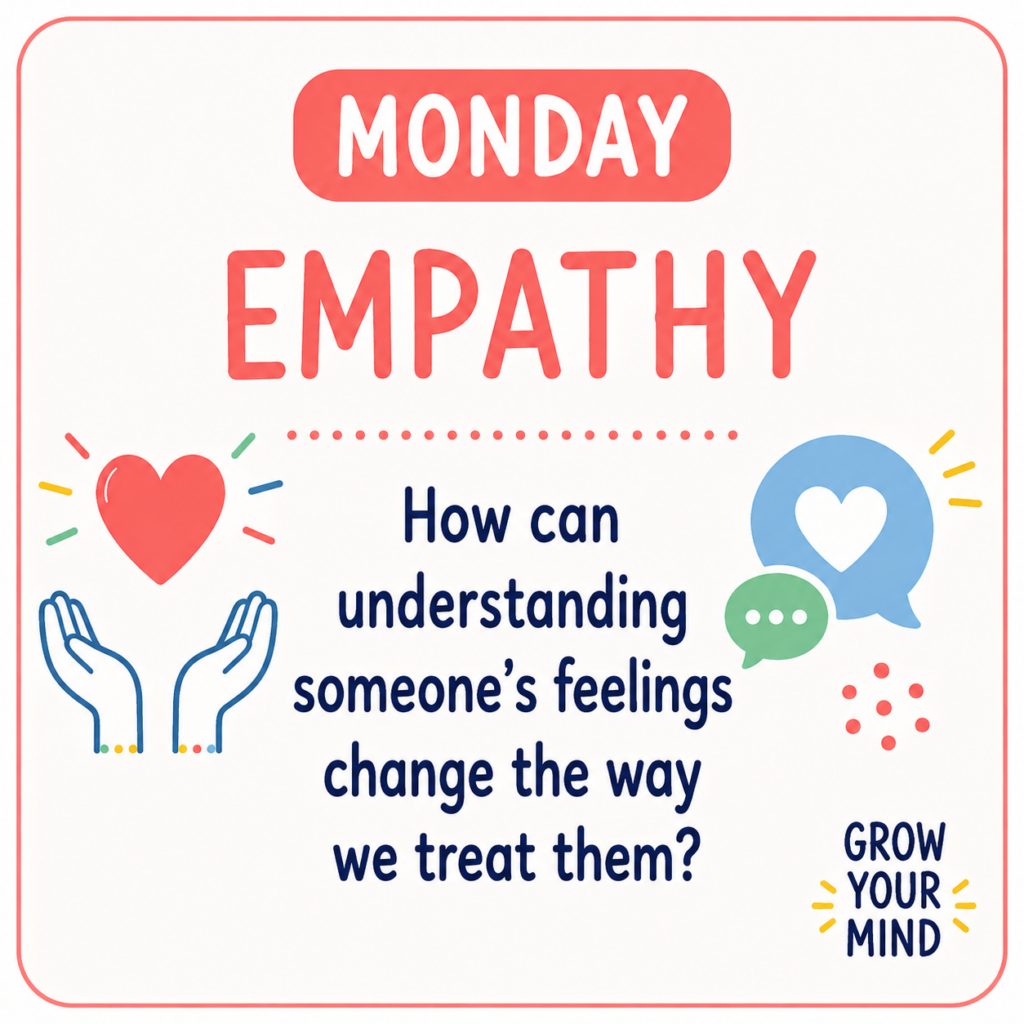
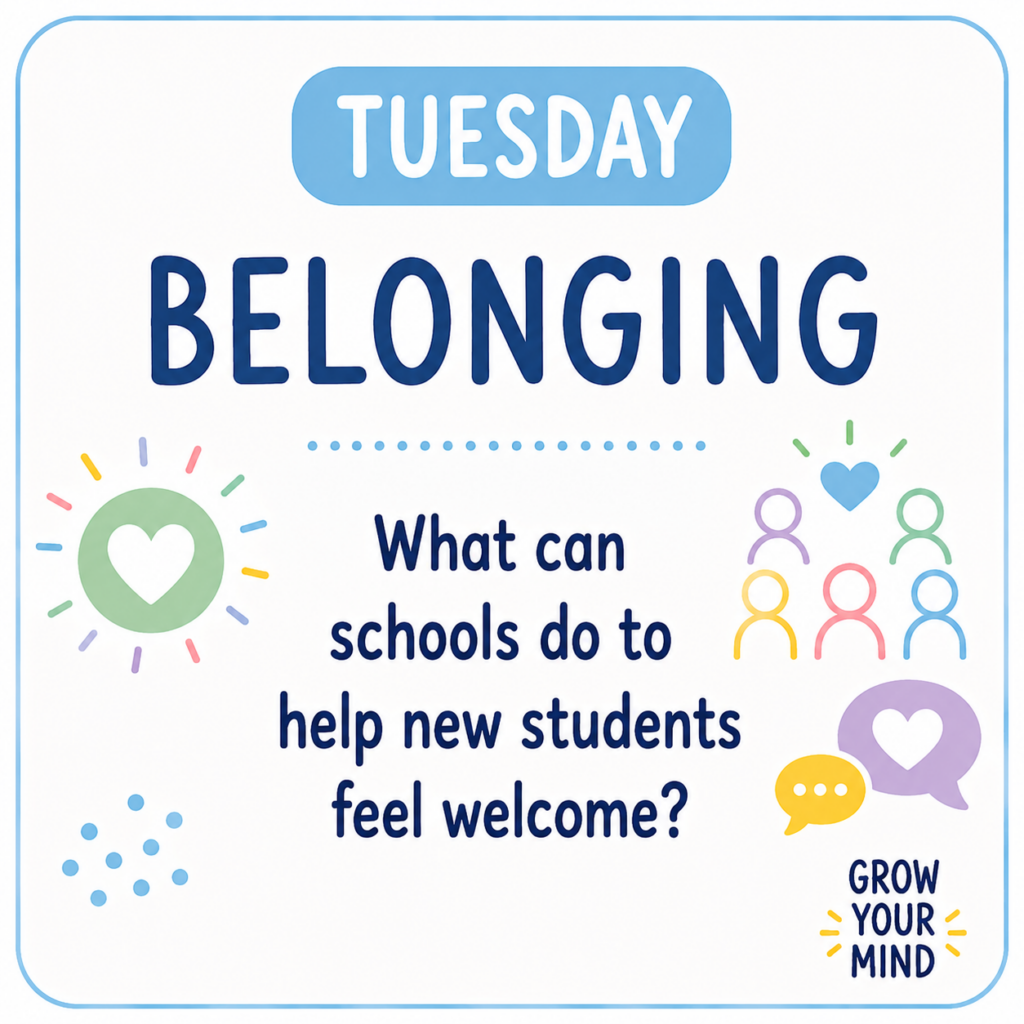
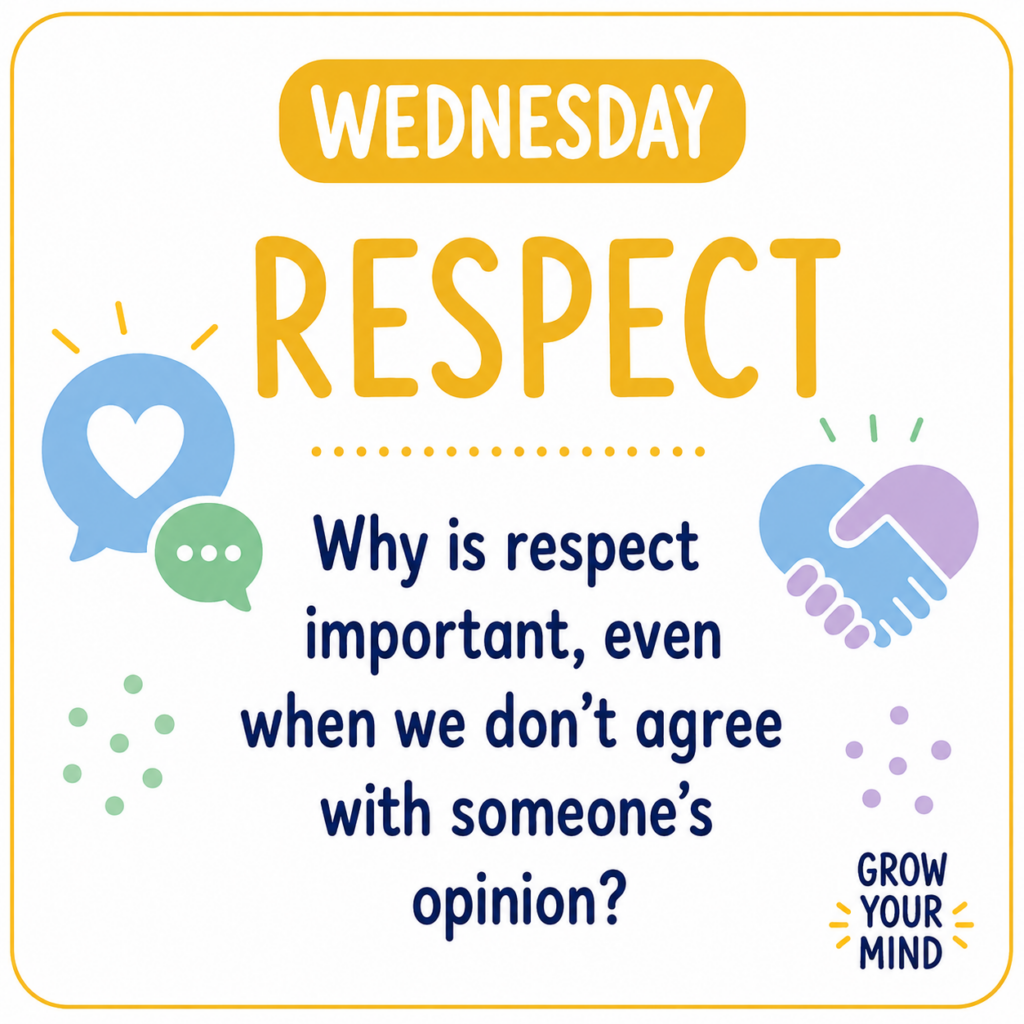
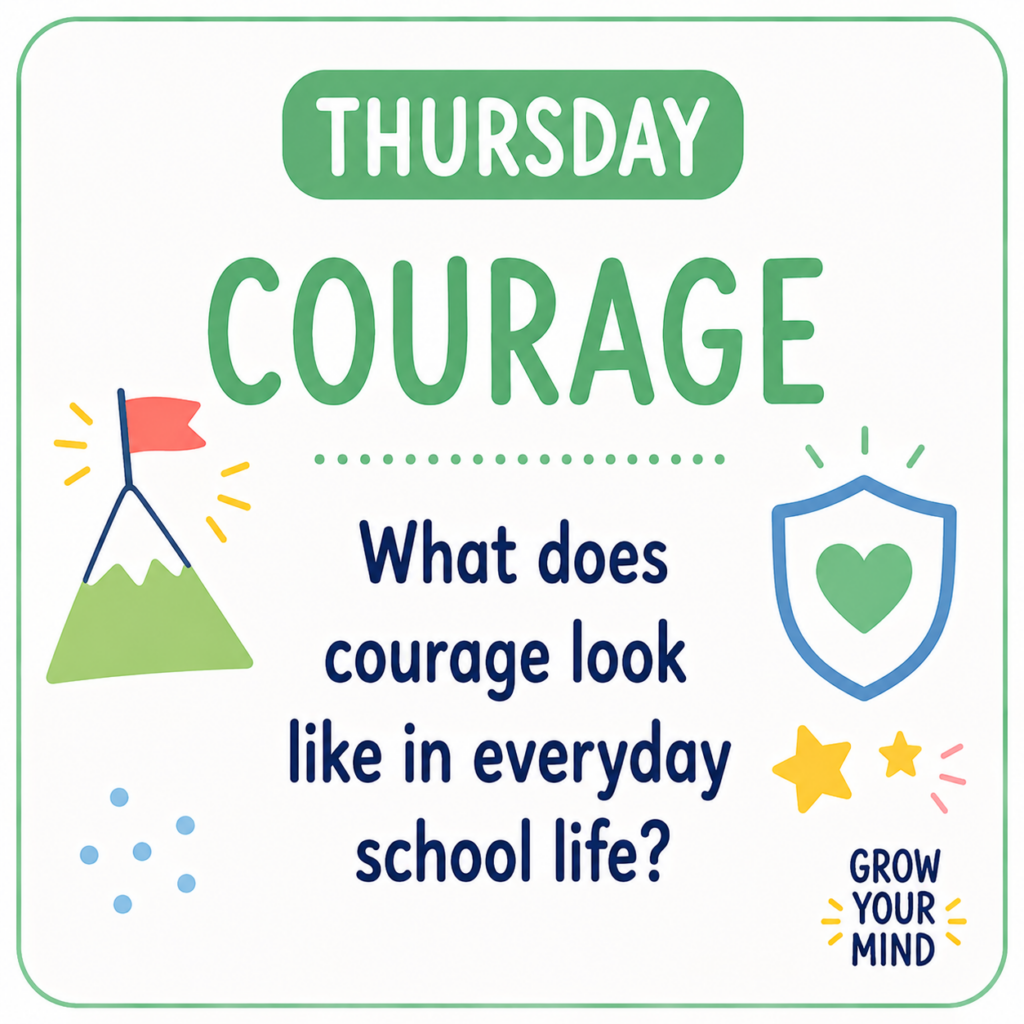
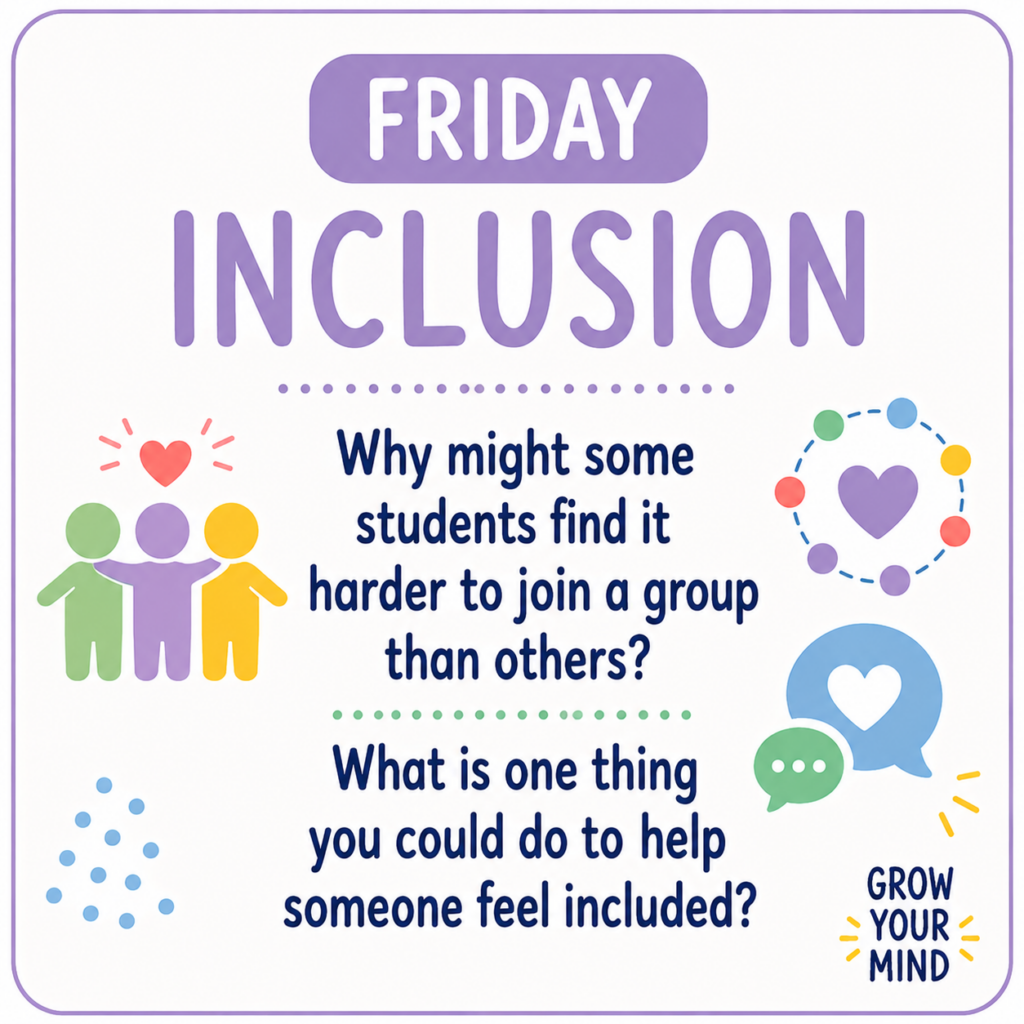
An example of these 5-minute activities is journal prompts; there are 150 of these, with 25 focusing on anti-bullying.
See example questions you could use with your upper primary school students now:
🎧 The Grow Your Mind Podcast
Around the world, children have listened to our Grow Your Mind podcast. While they think they’re simply listening to a story, they’re actually building the life skills that help create kinder, safer and more inclusive schools.
Each episode strengthens the protective factors that help prevent bullying. Children learn empathy, kindness, emotional regulation, friendship skills, respectful communication, courage and positive help seeking, while exploring how to repair relationships, include others and stand up for what is right.
Each episode also includes optional classroom activities, discussion questions and journal prompts, making it easy for schools to reinforce these skills and build a positive school culture.
Here are just a few episodes that support bullying prevention and positive school culture:
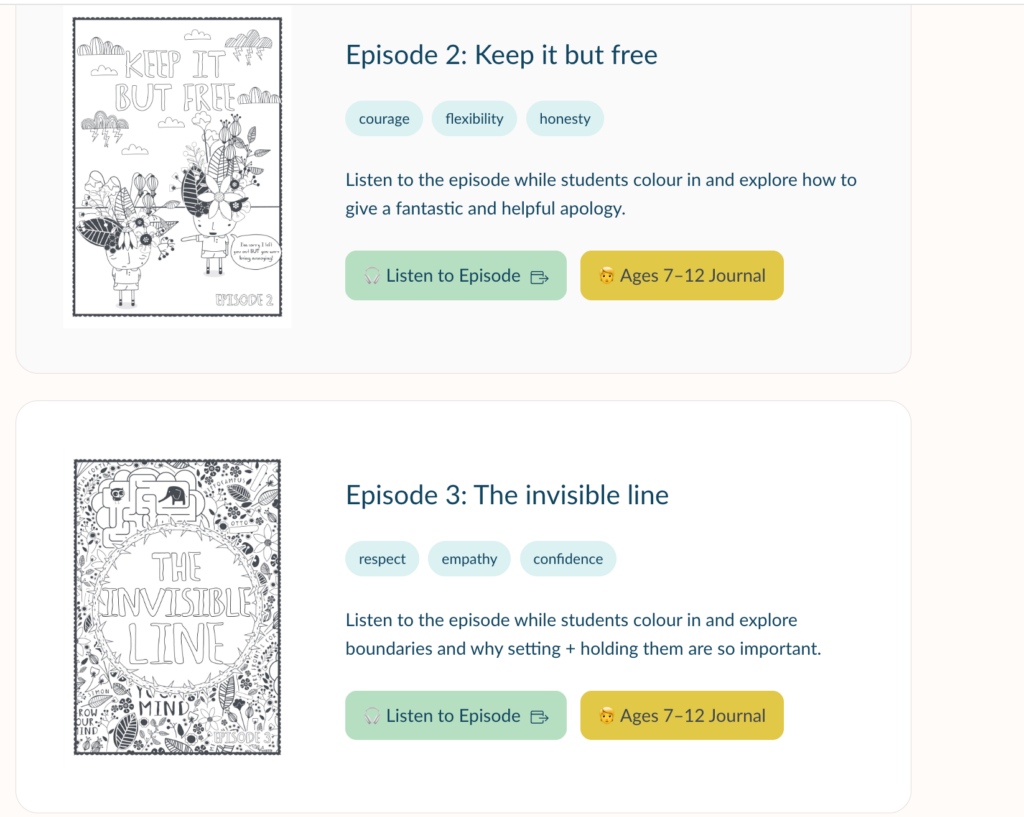
Two episodes from Season 3 focus on how to apologise and how to name and respect boundaries.
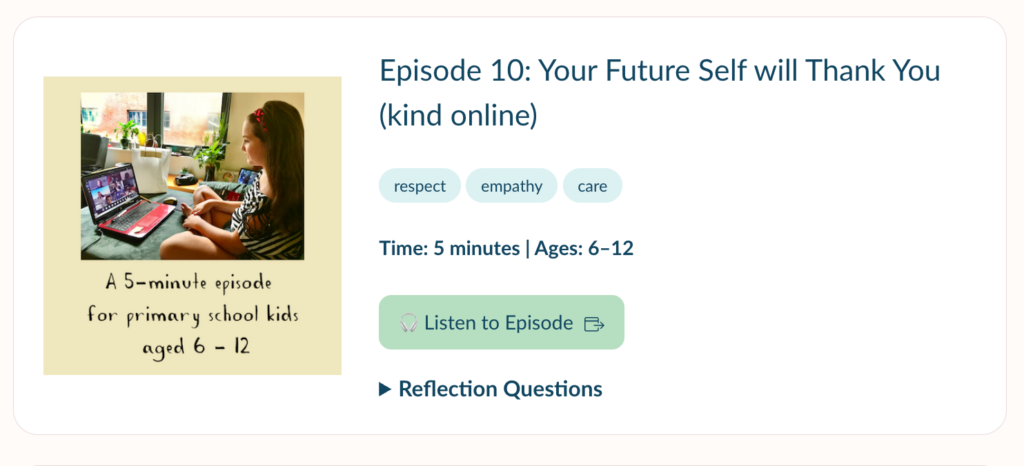
This episode speaks directly to being kind online:
This episode looks at what kindness actually is, and why it is important:
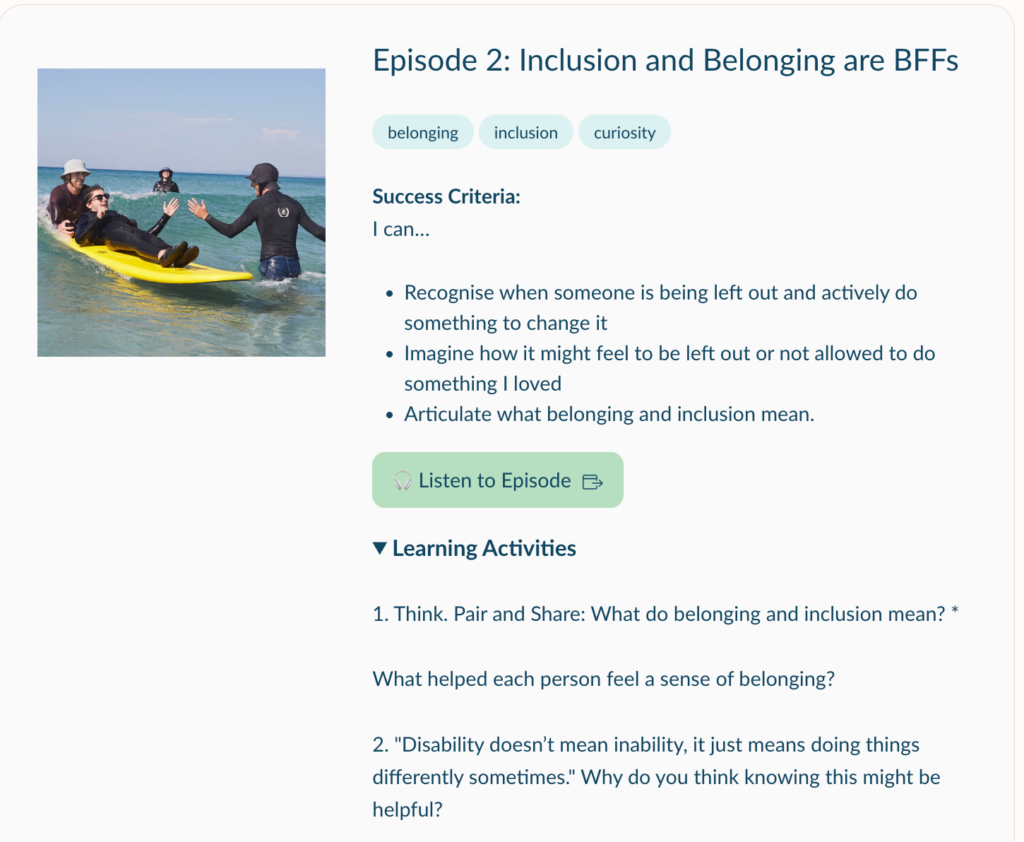
Season 5 saw the children on the Grow Your Mind podcast really lean into belonging, inclusion, being an upstander and kindness.
This is a brilliant episode on finding the courage to be an upstander:
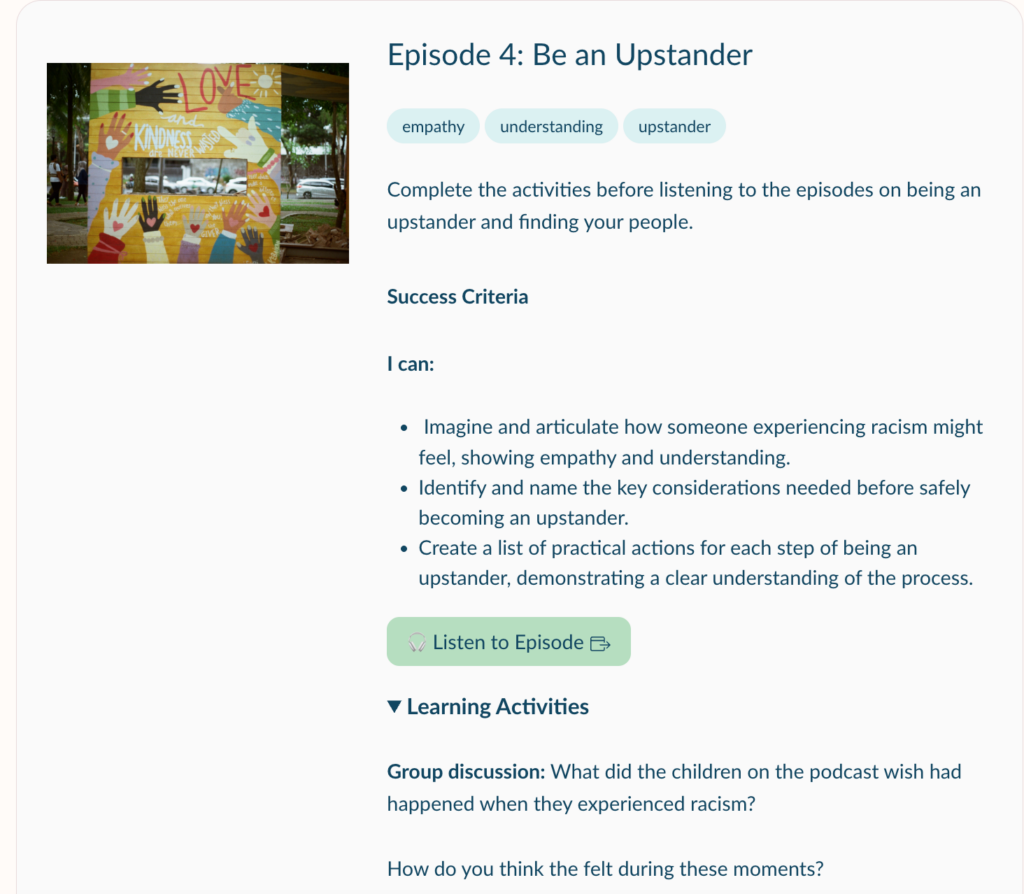
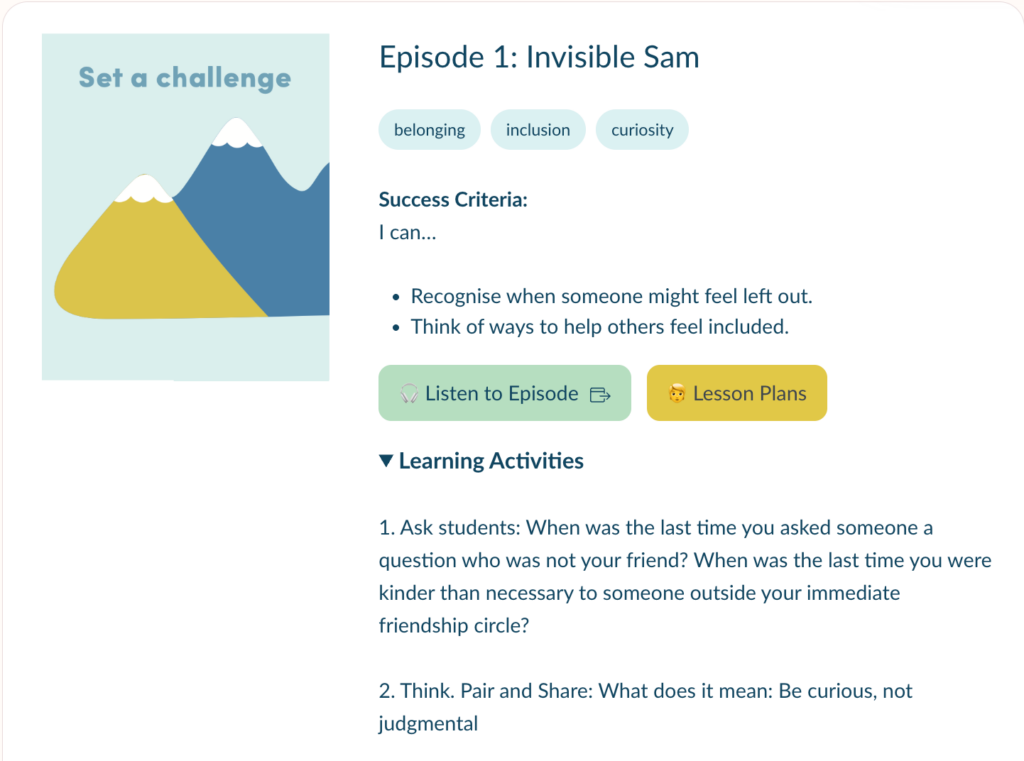
A core part of creating a positive culture is helping every student feel seen, valued and included. This episode is a fantastic way to teach this core skill to students:
Coming Soon: Season 6 – Respectful Relationships
This season helps students build the skills needed for healthy, respectful relationships in everyday life. Through engaging stories and practical strategies, we’ll explore:
🏃 Respect on the sports field
🚌 Respect on the school bus
🤝 Respect between genders
🤖 Respect when using AI
🌱 And many more important conversations
Remember: bullying prevention starts long before an incident occurs.
While responding to bullying is essential, the most effective anti-bullying strategies focus on creating positive school cultures where students feel safe, connected and valued. It starts with helping children build friendships, regulate emotions, show empathy, seek support and include others.
At Grow Your Mind, we’ve done the heavy lifting when it comes to creating engaging, evidence-informed resources that support anti-bullying efforts through prevention. From lessons and daily wellbeing activities to podcasts, books, family resources and professional learning, the tools are there.
The rest is about you as an educator and school using this content and bringing it to life in your unique setting.
One conversation. One lesson. One act of kindness. One moment of connection at a time.