Teacher truth:
Students can’t learn when they haven’t slept.
Students can’t learn when they’ve fought with a friend.
Students can’t learn when their parents were arguing that morning.
Students can’t learn when they’re worried about what’s happening after school.
And yet… we expect them to walk in, sit down, be quiet, follow instructions and get straight into their best work. No warm-up. No reset. Just… learn. But brains don’t work like that. An unsafe brain isn’t thinking about fractions or persuasive writing; it’s thinking about survival. And if we skip the regulation part? We’ll pay for it later. In lost time. In repeated instructions. In “Year 3… YEAR 3… eyes on me.”
It goes without saying that you won’t always be perfectly regulated. And you won’t reach every dysregulated child. But calm, consistent responses plus a well-structured day? That’s where the magic starts to happen. Because regulation isn’t just something we respond to. It’s something we can plan for.
Start Strong = Stay Strong
How you start the day matters. A chaotic start? You’re playing catch-up. A connected start? You’ve got momentum.
Try:
- A regular greeting at the door/morning circle
- A quick connection game
- A shared breathing cue
- Movement to wake up bodies and brains
Why regulation rhythm throughout the day matters
Children thrive on predictability. A steady rhythm tells the brain:
- What’s happening
- What’s next
- I’m safe here
And a safe brain? That’s a brain ready to learn. I can hear the upper primary teacher already, saying something like this: “We don’t have time. If we have all these breaks throughout the day, we will not get through the learning.”
Upper primary = crowded curriculum + rising expectations + less “time for fluff.”
But here’s the reframe: regulation breaks aren’t extra. They’re essential.
Spend:
- 2 minutes regulating → save 10 minutes of behaviour management
- 60 seconds resetting → avoid a full lesson derailment
It’s not fluffy. It’s efficient. It’s the ultimate “stitch in time saves nine.”
What this actually looks like (across K–6)
We’re not talking about stopping everything for a 20-minute mindfulness session. We’re talking tiny, intentional moments woven into your day.
Lower Primary (K–2): Keep it playful, visual, and movement-based
Little bodies = big feelings (and very little impulse control).
Think:
- Action songs and movement breaks
- Stretching like animals (stretch like a cat, stomp like an elephant)
- Simple breathing (“smell the flower, blow out the candle”)
- Body check-ins (“show me with your hands: are you calm, wiggly, or buzzing?”)
- Quick connection games
Short, fun, repeatable.

Upper Primary (Years 3–6): Keep it short, subtle, and respectful
Bigger kids still need regulation; they just don’t want it to feel babyish.
Think:
- Quick body scan: “Notice your feet… your shoulders… what feels tight?”
- Set an intention: “How do I want to show up today?”
- Silent reset: 3 breaths, no fuss
- Micro-movements: shoulder rolls, stretch and release, desk push-ups
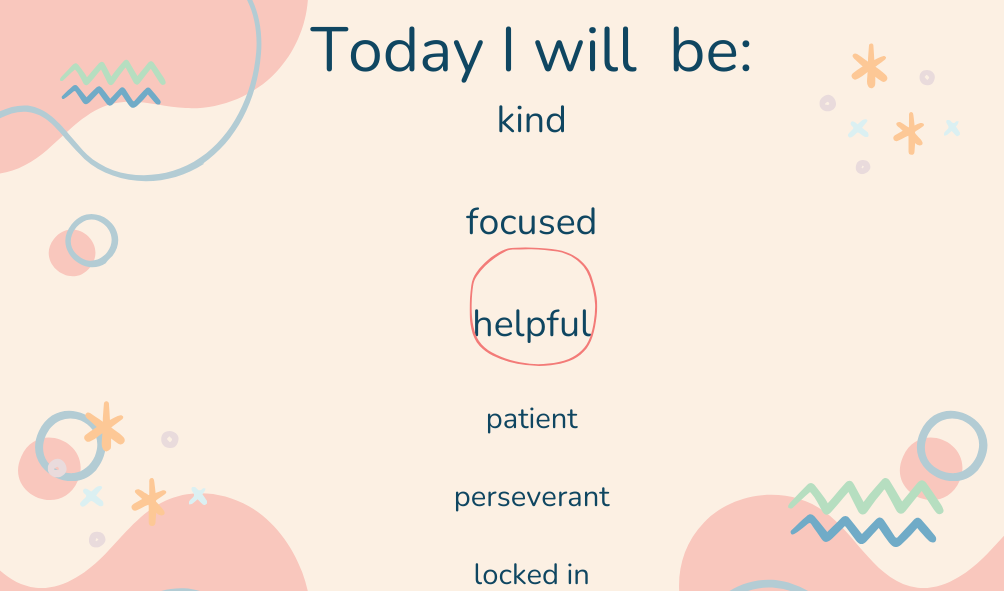
Here are two sample timetables as promised:
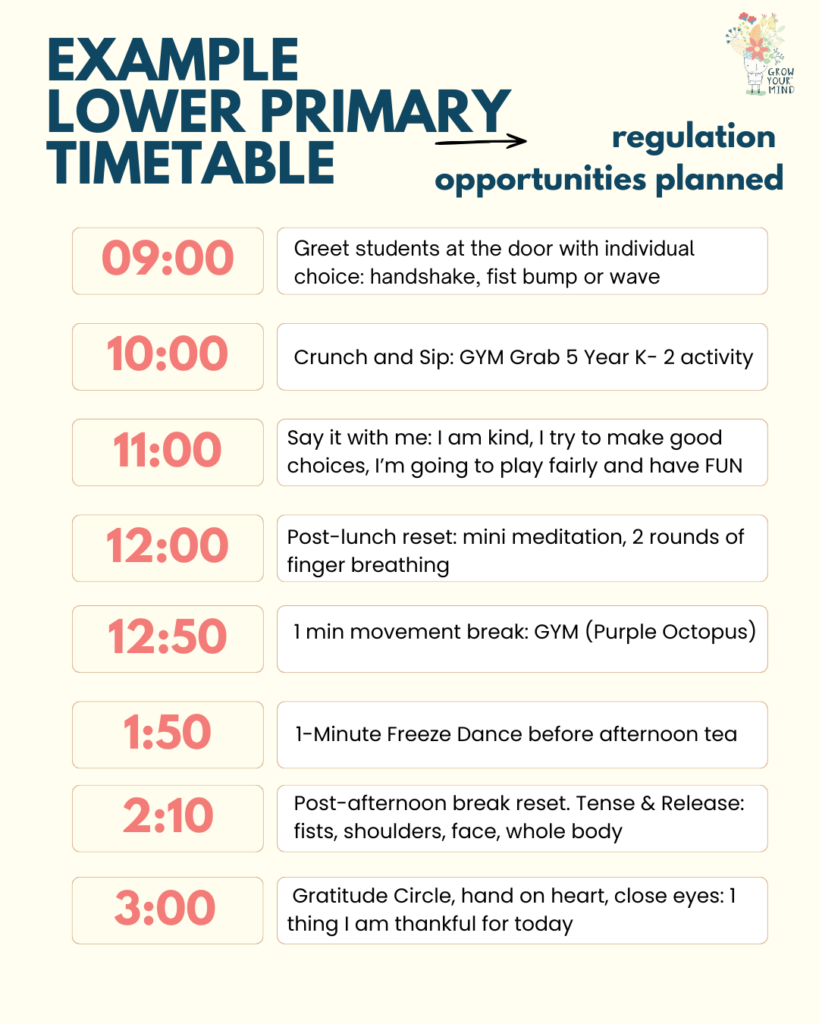
Example GYM activity at 10:00 – Dance and Sing to “My Body is my /body”
Example GYM activity at 12.50 – purple octopus


Example GYM activity at 10:00 – Play Character Strength Guessing with a short 2 minute story
This might look like a lot. It’s not.
All up? About 12 minutes in your whole day. Now let’s compare that to:
- a derailed lesson
- countless “eyes this way, please”
- the slow rebuild after things go off track
Suddenly… It’s not extra time. It’s time you got back. And more than that, these moments are doing the quiet, powerful work of:
- building connection
- strengthening your classroom community
- reminding students: you’re safe here, you belong here
That’s not a break from learning. That’s what makes learning possible.
Want support with this?
If you’re thinking, “This makes sense… but how do we actually embed this across our school?” You don’t have to figure it out alone.
Book a free discovery call with our education team to explore how Grow Your Mind can support your school with practical, curriculum-aligned wellbeing that actually fits into the day.
Already a Grow Your Mind School?
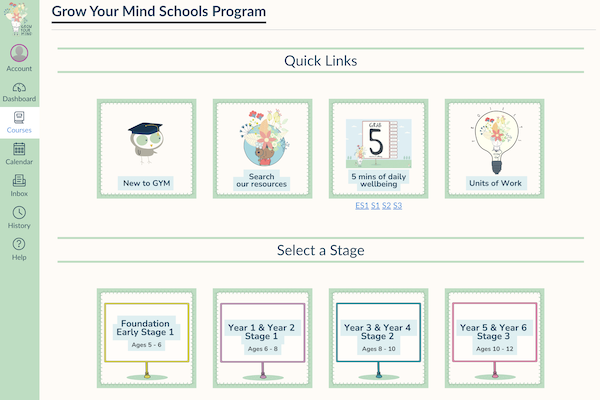
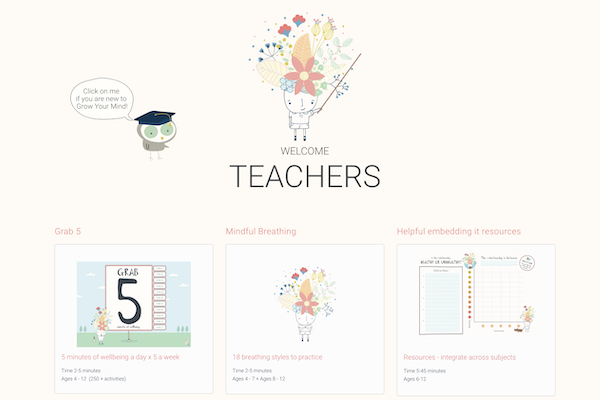
Boom. You’ve already got what you need. Our Grab 5 resource was MADE for this. Wellbeing doesn’t come from one-off lessons. It grows from small, consistent, everyday moments. Now it’s about using it consistently, simply, and in the moments that matter most. We love our Grab 5 so much that we wrote a celebration blog about it earlier this year:
👉 https://growyourmind.life/blog/grab-5-minutes-of-wellbeing-updated/
Grab 5 was designed for real classrooms and real teachers.
Why teachers love Grab 5
- Activities under 5 minutes
- Zero prep
- Designed for K–6
- Easy to drop into transitions, resets, and tricky moments
It’s not another thing to add. It’s the thing that makes everything else run better.
Final thought
You can keep powering through, raising your voice slightly more each time,
wondering why no one is listening…Or…You can pause for 60 seconds, reset the room, and suddenly everyone has ears again.
Magic? Not quite. Just regulation. And a much nicer way to spend your day.